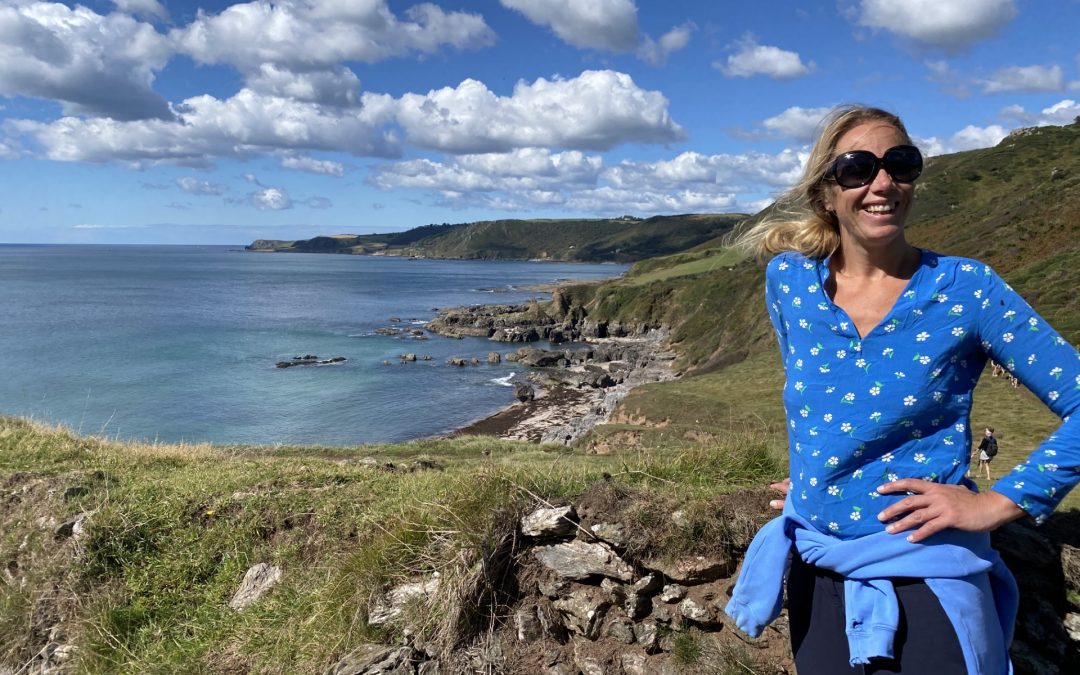
The simplest coaching tool I use isn’t a tool at all. It’s a walk.
When people feel stuck, overloaded, or foggy, they often try to “think harder”. More lists. More late nights. More time at a screen.
But one of the fastest ways to create clarity is surprisingly simple:
Walk, and talk.
I’ve used walking coaching with clients who are changing careers, rebuilding confidence after burnout, or making big life decisions. And I keep coming back to it because it does something a chair-and-desk session often can’t.
It softens the pressure, loosens the thinking, and helps people tell the truth more quickly.
There’s also proper research behind it. A Stanford study found that walking boosts creative thinking compared with sitting, and that the effect can continue even after the walk. And the NHS is clear that being active is a natural mood booster that can reduce stress and anxiety, and help sleep.
So yes, it’s good for the body. But in coaching, what I see is this:
Walking creates headspace. And headspace creates better decisions.

What changes when you coach while walking?
1) People stop performing
In a seated session, some clients can feel like they have to “show up well”. They bring a polished version of the story first, then the real story later.
Side-by-side walking changes that. It feels less formal. Less intense. More human.
2) The conversation becomes more honest, faster
It’s harder to hide behind a script when you’re moving. The pace of walking seems to help people speak more naturally, with fewer filters.
3) The brain opens up
When you walk, you often get more options, more ideas, and more “Oh… that’s what this is really about” moments. That’s not fluffy. The creativity link is well evidenced.
4) You leave with energy, not exhaustion
Clients often tell me they feel lighter after a walk-and-talk than after a classic sit-down session. Movement helps mood and energy, and that matters when someone is already stretched.

Real examples from my client work
A career change client who needed options, not pressure
I worked with a client who was burnt out and interviewing for new roles. In our early conversations, I offered flexible formats: online, in person, or walking sessions, depending on what would feel most supportive.
What stood out was how relieved they felt that coaching did not have to be “another heavy thing” in the diary. Walking made it feel doable. Gentle. Still purposeful.
The outcome wasn’t just “a plan”. It was a return of confidence, and a sense of control.
A business owner who needed headspace and a clear next step
Another client was dealing with serious personal pressure and constant short-term demands. We talked about turning a simple dog walk into a proper walking coaching session.
I framed it like this: we’d use the walk to create headspace, set fresh goals, and I’d still challenge them honestly, in the way they find helpful. Then I’d send a short written summary so they were clear on next steps afterwards.
That combination matters: walking can feel lighter, but it still needs structure and follow-through.
A client who benefited from longer “walking and paddling” sessions
I’ve also used longer outdoor sessions as part of an agreed coaching plan, mixing walking (and sometimes paddling) with more focused strategy sessions. In one plan, we mapped several 4-hour walking/paddling sessions, plus separate strategy sessions, to keep momentum and reflection balanced.
For the right person, this format can be powerful because it gives time to process properly. Not just talk about change, but actually digest it.
When walking coaching is especially helpful
Walking coaching is brilliant when someone is:
- Overthinking and looping
- Stressed or burnt out
- Facing a career change or identity shift
- Leading a business and craving space to think
- Feeling emotionally stuck and needs a gentler way in
It’s also ideal for clients who tell me: “I think better when I’m moving.”

How I run a walking coaching session (so it stays effective)
This is the bit that makes it work. Walking is not the point. Coaching is the point.
Here’s the structure I use:
- A clear focus before we start One question or outcome we’re aiming for.
- A steady pace Not power-walking. The goal is conversation, not cardio.
- Simple prompts while we walk What’s really going on? What are you avoiding? What matters most?
- A clean wrap-up at the end Decisions, next steps, and what success looks like.
- A short written summary afterwards This is key. It turns a great conversation into action.
A bold idea (that I genuinely believe)
If you are stuck on a decision, don’t book another meeting.
Book a walk. Even 20 minutes.
Then ask yourself one question:
“What do I know is true, that I’m not acting on?”
That one question, paired with movement, changes things.
Want to try it?
If you’re in a transition, leading under pressure, or you simply need to think clearly again, a walk-and-talk session might be the best place to start.
If you’d like to explore it, you can book an initial chat and we’ll decide together whether walking coaching is the right fit. Please do drop me a line nicky@aspire-coaching.co.uk.
Want support with your next step?
If you are ready for a career change or a business shift, Aspired Coaching can help you get clear on your choice, take the right chances, and create change that actually sticks. Please do drop me a line; nicky@aspire-coaching.co.uk or visit my website: www.aspire-coaching.co.uk for more information. You can also book in a call here.