
What to do when you know you need a change, but do not know where to start
You are smart, capable and on paper your career looks fine.
But inside, it feels very different.
You know you need a change. You have had that quiet feeling in the background for a while now. Maybe for months. You may even have a list of ideas or half written plans in your notebook. Yet when it comes to doing something about it, you feel stuck, exhausted and unsure where to start.
As a career and business coach, I work with professionals across the UK who are exactly where you are now. They are not lazy. They are not ungrateful. They are simply overwhelmed, unsure and often trying to keep too many plates spinning at once. In this blog, I want to help you move from procrastination to clarity, and towards a career and life that feels more aligned with who you are.
I also want to anchor it in one simple quote that has guided many of my clients, and my own journey:
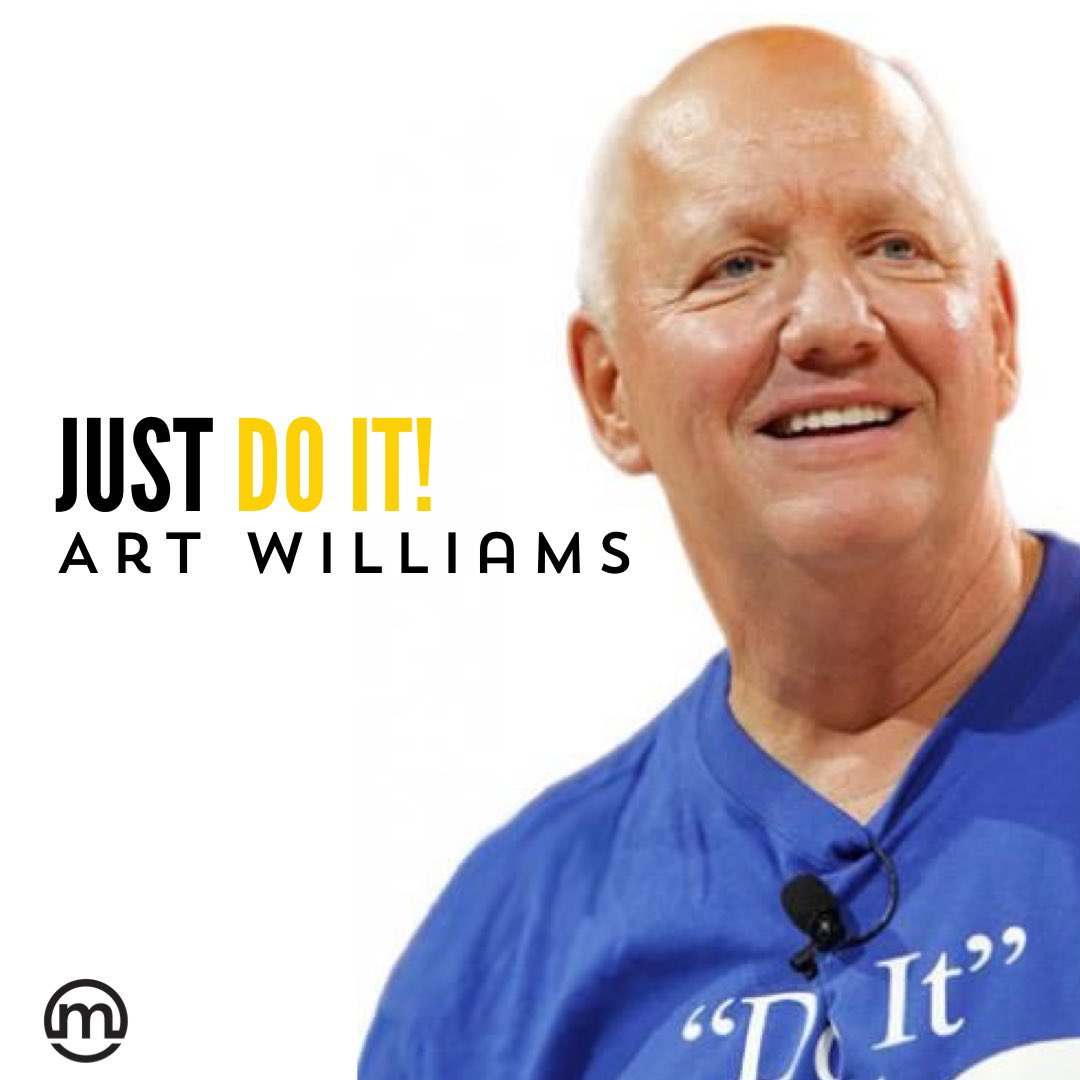
“Just do it.” – Art Williams
Not in a harsh or pressured way, but as a gentle invitation to take one small, courageous step, even when you do not have everything figured out.
When your career looks successful but does not feel it
Over the last few months, my own diary has been full.
I have been working on recruitment strategies for a large engineering firm, running vision and strategy sessions for a charity, supporting leaders through development programmes, facilitating a busy networking group, working with individuals who feel stuck in their roles, and researching and launching a new business.
From the outside, it looks exciting, and it is. Yet I also noticed something important. With so much going on, there has been less space to pause, reflect and create. Even sitting down to write this blog took more time than I would have liked.
You might recognise that feeling.
- You are constantly “on” at work.
- You are the person people turn to when things need fixing.
- You are juggling responsibilities at home and at work.
- The idea of changing your job, career or business feels huge, so you push it away.
Many of my clients share similar stories:
- A manager who has climbed the ladder, only to realise the role no longer fits who they are.
- A professional who feels guilty for wanting more, because “so many people would love this job”.
- A leader who is so busy looking after everyone else that they have lost sight of what they want.
These are not people who lack ambition. They are often the people who care deeply, have high standards and want to do a good job for others. Over time, that can lead to emotional and mental overload.
If that sounds familiar, I want you to know this:
You are not broken. You are just at a point in your career where your current path and your deeper values no longer quite match. That tension is uncomfortable. It is also a powerful signal that it might be time to re align.

Procrastination is not laziness, it is information
When we feel stuck, many of us blame ourselves.
“I should have sorted this out by now.”
“Why do I keep putting off updating my CV or calling that coach?”
“Everyone else seems to be coping, what is wrong with me?”
From a coaching perspective, procrastination is rarely about laziness. More often, it is a mix of:
- Fear
Fear of making the wrong decision. Fear of losing what you have, even if it no longer fits. Fear of what others will think. - Overwhelm
Your brain is trying to process too many things at once. Different options, responsibilities, financial considerations, family needs and your own wellbeing. - Lack of clarity
You know what you do not want, but it is harder to say clearly what you do want. Without a clear direction, any step feels risky. - Perfectionism
You may feel you have to have the perfect plan before you can begin. So you wait. And the waiting becomes its own habit.
Instead of judging yourself for procrastinating, see it as information.
Your mind and body are trying to keep you safe. They are saying “this feels uncertain, I need more clarity and reassurance before I make a change”.
Once you see procrastination as information rather than a personal failure, you can work with it.

From overwhelm to clarity – a simple reset process
When life is full, we need simple, human tools that help us move from “spinning” to “steady”. Over the last few months, I have been using two practices consistently myself: journalling and coaching. They are also at the heart of the work I do with clients.
Here is a simple process you can try.
- Empty your head, without editing
Set a timer for ten minutes.
Take a notebook, or open a blank document.
Write down everything that is on your mind about your work and life, without worrying about grammar, structure or solutions.
You can use prompts such as:
- “What is draining my energy at work right now?”
- “What am I avoiding, and why might that be?”
- “If I could change one thing in my career this year, what would it be?”
The aim is not to produce a perfect plan. It is to get the noise out of your head and onto paper, where it becomes less overwhelming.
- Circle what matters most
Look back over what you have written. Circle or highlight:
- Themes that keep repeating.
- Sentences that make you feel something in your body, such as a tight chest or a sense of relief.
- Anything that feels like a key truth, even if it scares you.
This is where clarity begins. You are starting to see the story beneath the busyness.
- Name the season you are in
One of the questions I ask clients is: “What season of your career are you in right now?”
Are you in a season of:
- Survival – holding things together, paying the bills, getting through.
- Transition – something has shifted, and you are exploring what is next.
- Growth – you are ready to stretch, learn and take on more responsibility.
- Re alignment – you want your work to fit more closely with your values and life outside work.
Naming your season helps you set realistic expectations. If you are in survival, your next step might be about reducing stress or stabilising your current role, rather than making a dramatic leap.
- Choose one small action
Now, bring in the spirit of Art Williams’ “Just do it”.
Look at your notes and ask:
“What is one small, kind action I can take in the next seven days that moves me even a little closer to where I want to be?”
Keep it small. Examples might include:
- Booking a short call with a career coach.
- Talking to a trusted colleague about how you are feeling.
- Updating one section of your CV.
- Reading a job description for a role that interests you, simply to explore.
Write that one action down, put a date beside it, and commit to it.
- Create a simple feelings to action table
Here is a quick reference you can use when emotions feel loud.
|
What I am feeling |
What it might be telling me |
One small next step |
|
Drained and flat at the end of every week |
My work may no longer align with my values or energy |
Journal on “What gives me energy at work?” and book a clarity call |
|
Snappy or tearful about work at home |
The pressure I am under is spilling into my personal life |
Have an honest conversation with my manager or coach about workload |
|
Restless and bored |
I may need more challenge, creativity or growth |
Explore internal opportunities, projects or learning that stretch me |
|
Anxious about changing roles |
Change feels risky, and I need information and support |
Research one alternative path, or speak to someone already doing it |
You can personalise this table with your own words. The key is to link feelings with meaning and a gentle action.
Five practical ways to get unstuck in your career this month
Sometimes we need clear, practical ideas. Here are five coaching tools that you can start using this month.
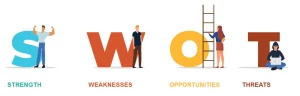
- Do a career SWOT on yourself
Many of my clients find a career SWOT helpful. It is a structured way to step back and look at their situation with fresh eyes.
Take a sheet of paper and divide it into four boxes: Strengths, Weaknesses, Opportunities, Threats.
- Strengths: What do you do well? What do others praise you for?
- Weaknesses: Where do you feel less confident, or less engaged?
- Opportunities: What trends, projects or connections could open doors for you?
- Threats: What external pressures or changes could impact your role or sector?
This is not about criticising yourself. It is about seeing the bigger picture, so you can make informed choices.
- Clarify what success means to you now
Many of us are still working to an old definition of success, such as “big job title”, “busy all the time” or “pleasing everyone”.
Take a moment to ask:
- “What does success look and feel like to me in this stage of my life?”
- “What do I want my career to give me, and what do I want to give through my career?”
Your answers today may be different to five or ten years ago. That is normal. When you update your definition of success, decisions become clearer.
- Create one protected hour each week
If you feel overwhelmed, space is not a luxury, it is a strategy.
Choose one hour each week that you protect for you and your future. Use it for:
- Reflecting and journalling.
- Researching alternative roles or paths.
- Planning small, realistic steps for the month ahead.
Guard that hour like you would a meeting with your most important client. Because in many ways, you are.
- Ask for support
You do not have to figure this all out alone.
Support might look like:
- A coach who can hold a calm, structured space for your thinking.
- A mentor who has walked a similar path.
- A peer group, such as a networking group, where you can share ideas honestly.
Clients often tell me that simply having one safe conversation is the turning point. It breaks the isolation and reminds them that change is possible.
- Choose a micro “Just do it” step
At the heart of this blog is that simple Art Williams quote: “Just do it”.
To make it practical, choose micro steps that you can actually complete, such as:
- Sending one email to enquire about a role or course.
- Making one phone call to book a discovery session.
- Writing one paragraph of your CV or LinkedIn profile.
Each micro step builds confidence. Confidence grows through action, not through waiting until you feel ready.
Just do it, but kindly – a new way to move forward
“Just do it” can sometimes sound harsh, as if we should push through at all costs. That is not the spirit I want to leave you with.
For me, and for many of the professionals I work with, “Just do it” is about:
- Just – stripping things back to the next simple step, not the whole project.
- Do – taking action, even if it feels small or imperfect.
- It – choosing one specific thing that genuinely matters to you, not someone else’s idea of success.
You are allowed to be both grateful for what you have, and honest that something needs to change. You are allowed to be proud of what you have built, and curious about what might come next.
You do not have to know the entire path. You only need the next step.
FAQ: Common questions from overwhelmed professionals
Q1. How do I know if I am just having a bad week or if I really need a change?
Notice patterns over time. A bad week usually passes. If you have felt drained, stuck or misaligned for several months, despite trying to rest or adjust, it may be a sign that something deeper needs attention. Journalling and talking it through with a coach can help you see this more clearly.
Q2. I have financial responsibilities. Is it irresponsible to think about changing career?
Not at all. Thinking about change and planning for it is responsible. It allows you to explore options, timelines and strategies that work for your situation. Career change does not always mean a sudden leap. It can be a series of considered steps, taken with your financial reality in mind.
Q3. What if I do not know what I want to do instead?
Many clients come to coaching with a clear sense of what they do not want, and only a fuzzy idea of what they do want. That is very normal. Through structured exercises, questions and reflection, we can uncover your strengths, values, interests and options, then shape them into a clearer direction.
Q4. I feel guilty for wanting a change when I already have a good job. How do I handle that?
Guilt often comes from comparing ourselves to others or from old stories about what we should want. Your feelings are still valid. It is possible to appreciate the security or status of your current role, and still recognise that it is no longer the right long term fit. Exploring that honestly is an act of self respect, not selfishness.
Q5. How can coaching help me if I am overwhelmed and do not know where to start?
Coaching gives you dedicated space to think, feel and plan, with someone who is fully in your corner and not emotionally involved in the outcome. Together, we break things down, explore options, challenge unhelpful beliefs and design realistic next steps. Many clients say they leave sessions feeling calmer, clearer and more focused than they have in months.
Ready to move from stuck to clear?
If this blog has resonated with you, it might be because you are at that quiet turning point. You know that continuing exactly as you are is no longer sustainable. You may not have the full picture yet, but you are curious about what could be possible.
If you are ready to explore that in a confidential, supportive space, I would love to help.
👉 Book a free consultation to explore where you are now, where you would like to be, and what “Just do it” could look like for you, in a way that feels kind, realistic and aligned with your life and how I can help you.