
Resources
Interesting Reading
Helping Self-Discovery
Reading is like embarking on a treasure hunt within the pages of books. As we delve into different genres—fiction, non-fiction, poetry, or philosophy—we encounter characters, ideas, and perspectives. Books act as mirrors, reflecting our own experiences and emotions. They also serve as windows, allowing us to peer into lives and worlds beyond our own. Thought-provoking literature challenges our assumptions. It nudges us to question our beliefs, biases, and preconceptions. Through diverse narratives, we explore identity—our own and others’.
Giving us Self-Realisation
Reading isn’t just about escaping reality; it’s about confronting it. Fictional stories immerse us in different lives. We walk in the shoes of protagonists, experiencing their joys, sorrows, and growth. This empathy bridge fosters self-awareness. A single sentence can trigger profound insights. Whether it’s a philosophical treatise or a poignant memoir, reading exposes us to Epiphanies and Aha Moments!
Self-Belief
Reading fuels our inner fire—the belief that we can overcome challenges and achieve our dreams. Biographies and autobiographies introduce us to remarkable individuals who triumphed over adversity. Their stories reinforce our own resilience. Inspirational quotes, affirmations, and motivational books infuse us with hope. They remind us that we’re capable of greatness. Fictional heroes—whether wizards, detectives, or rebels—inspire courage. We internalize their bravery and determination.
Self-Awareness
Words evoke emotions. When we read, we connect with our feelings—joy, sorrow, nostalgia, or wonder. Reading prompts introspection. We journal, underline passages, and annotate. These interactions deepen our understanding of ourselves. Immersed in a book, we practice mindfulness. We’re fully present, attuned to the narrative and our reactions.
In the quiet hours spent with a book, we discover not only the world but also ourselves.
The reading list
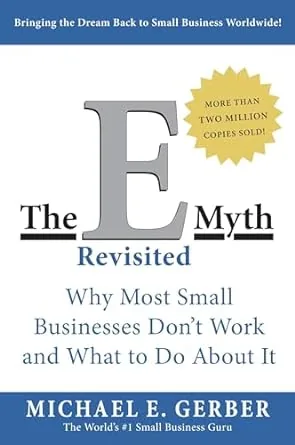 The E-Myth Revisited by Michael E. Gerber
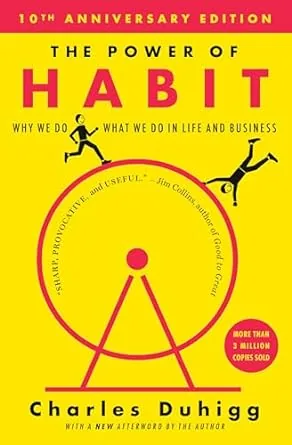 The Power of Habit by Charles Duhigg
 The Diary of a CEO by Steven Bartlett
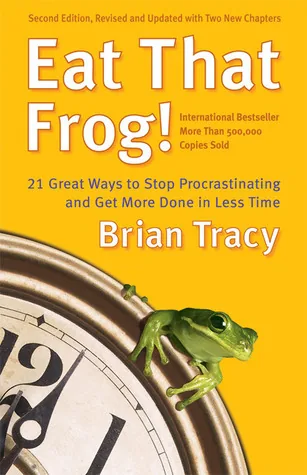 Eat That Frog! by Brian Tracy
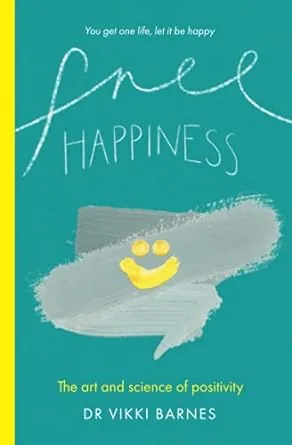 Free Happiness by Dr Vikki Barnes
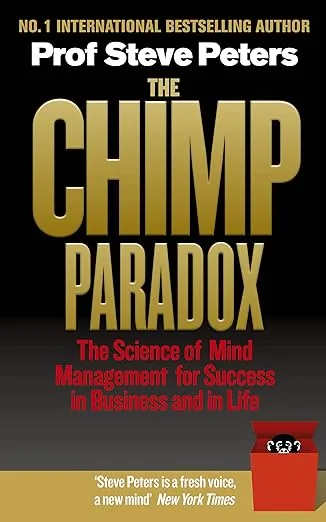 The Chimp Paradox by Prof Steve Peters
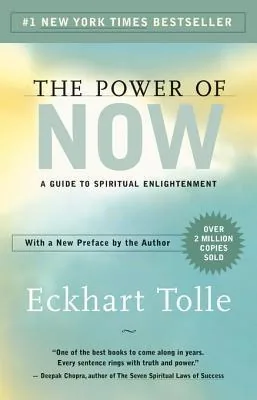 The Power of Now by Eckhart Tolle
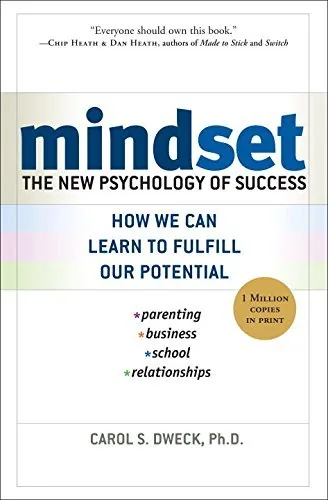 Mindset by Carol S. Dweck
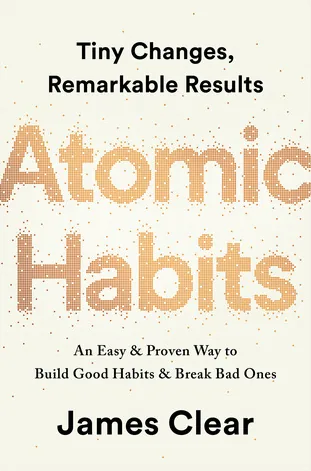 Atomic Habits by James Clear
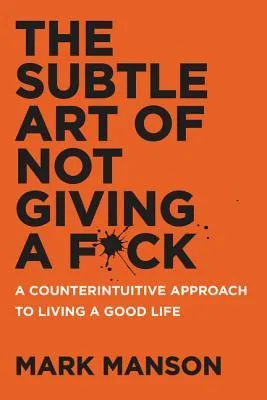 The Subtle Art of Not Giving a F*ck by Mark Manson
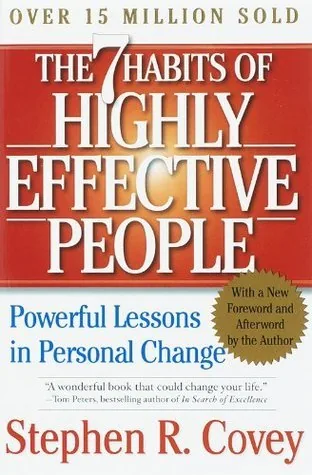 The 7 Habits of Highly Effective People by Stephen R. Covey
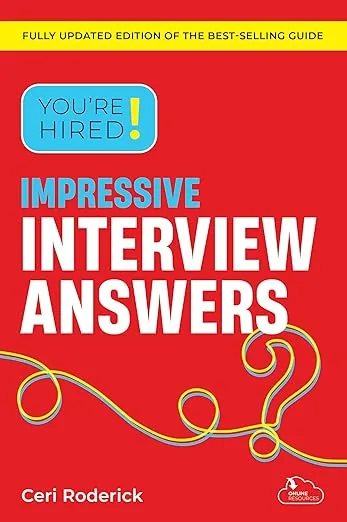 You're Hired! Impressive Interview Answers by Ceri Roderick
 How to Get a Job You Love by John Lees
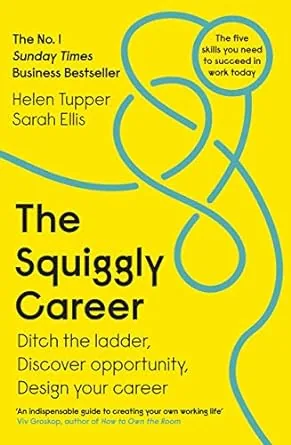 The Squiggly Career by Helen Tupper and Sarah Ellis
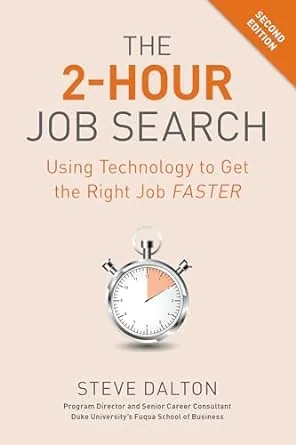 The 2-Hour Job Search by Steve Dalton
Have you tried Journaling?
Journaling is a way of making sense of those thoughts. By writing about them, it can help you figure out who you really are, work out what makes you tick and understand why you feel the way that you do. Journaling is an effective way of dealing with anxiety, depression, and other negative traits. But, not only can Journaling help you improve your mental health, it can also improve your memory, health, positivity, gratitude and assist you in setting and achieving goals you never thought were possible.